Inside Tatu City, Kenya’s model for sustainable urban development
Tatu City, a 5,000-acre Special Economic Zone near Nairobi, blends housing, industry and schools with strict planning, tax incentives and jobs, offering a cleaner, planned alternative to congested urban areas.
The moment you drive past the security checkpoint at Tatu City, it’s clear you’ve entered a different kind of Kenya.
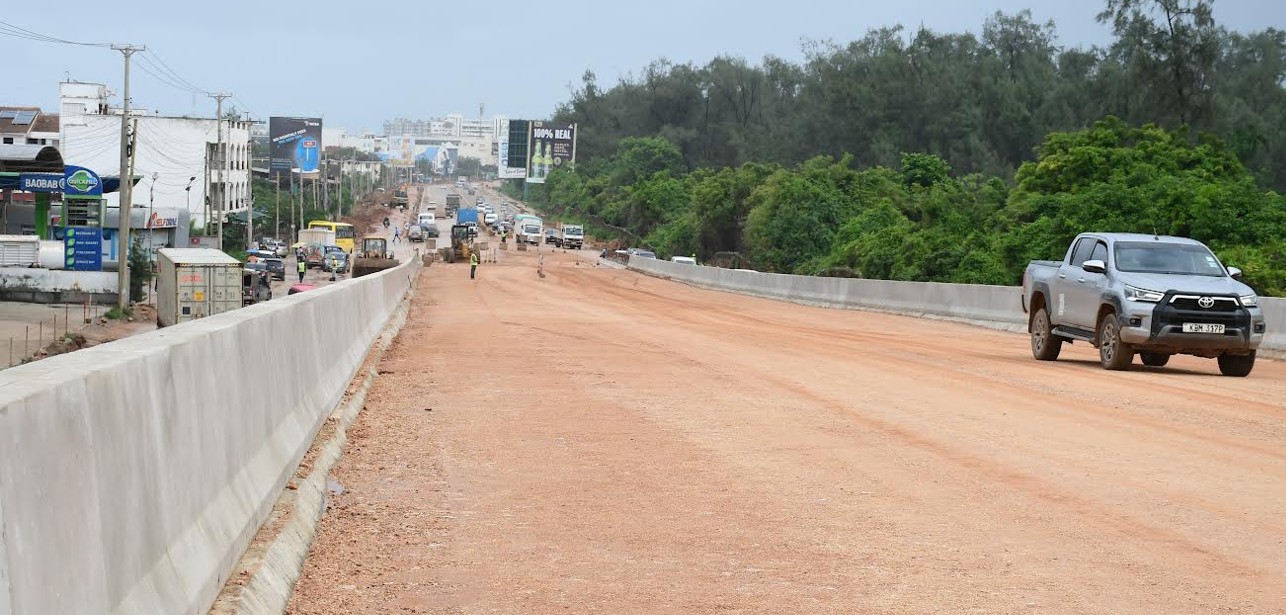
The roads are well carpeted, and the signage is precise. As a first-time visitor, it doesn’t take long to notice the striking road discipline.
More To Read
- Galana Kulalu gazetted as special economic zone to boost food production
- Afreximbank, KCB seal Sh103 billion deal to operationalise Vipingo SEZ
- Kilifi set to become manufacturing hub with launch of Sh16 billion industrial park
- Kenya to review Special Economic Zones framework to end abuse by real estate developers
- Olkaria made a Special Economic Zone to boost industrialisation
- Nairobi Muslim business community explores investment opportunities in Tatu City
During a tour by The Eastleigh Voice, our taxi driver cautiously kept to just under 20km/h, a pace almost unheard of on such flawless tarmac.
I later learned from Preston Mendenhall, Group Chief Operating Officer and Country Head, Kenya, at Rendeavour, the owner and developer of Tatu City, that strict fines for speeding help maintain this order.
But it’s more than rules; it reflects a culture of planning and world-class execution.
Tatu City is not merely a real estate project; it is a full-fledged urban ecosystem. A glance reveals residents and businesses operating seamlessly.
Built from scratch as a greenfield development, it delivers a complete city experience beyond Nairobi’s congestion.
With more than 25,000 people entering daily, the city hums with activity, residents, workers, students, and investors coexisting in a space that feels both futuristic and grounded.
 Aerial view of a section of Tatu City, the flagship project on Nairobi's outskirts. (Photo: Tatu City)
In our 15-minute sit-down, Mendenhall shared insights into what makes Tatu City thrive.
“We’re not just building buildings; we’re building a way of life,” he said. And it shows. From EDGE-certified buildings that meet global environmental standards to the 20% of land reserved for green spaces, sustainability lies at the city’s core.
One of the most exciting developments is the anticipated investment by Abdiweli Hassan, also known as Maalim Weli, chairman of Business Bay Square (BBS) Mall in Eastleigh.
His 65-acre mixed-use project will feature residential units across income levels, retail spaces, offices, a mosque, and industrial logistics. It stands as one of Kenya’s largest real estate deals in recent years—a strong vote of confidence in Tatu City’s vision.
The planned development reinforces that Tatu City is open to all. Investors and residents from around the world are choosing the 5,000-acre city for their businesses and families, drawn by its unique live, work, and play model.
For investors, the benefits are compelling. As a fully operational mixed-use Special Economic Zone (SEZ), Tatu City offers tax incentives such as reduced corporate tax and VAT zero-rating. Its infrastructure is unmatched, reliable power with 99.7 per cent uptime, high security, and a streamlined ‘one-stop shop’ for government services.
Beyond business, Tatu City is deeply rooted in community impact. Through its ‘Tatu Reach’ CSR program, the city supports initiatives that uplift residents. Students in public schools within Tatu City, such as Tatu Primary and Ngewe Primary, receive free daily lunches and access to rugby, cricket, and life skills training.
Over the years, Tatu City has created more than 25,000 jobs across multiple sectors, benefitting residents of neighbouring Ruturu and BTL villages, as well as the wider Ruiru area.
The city has also partnered with Curafa Medical Centre to expand affordable, subsidised healthcare.
Top Stories Today